
Choosing cushion covers for your living room becomes much easier when you decide in the right order: size first, then colour, fabric, and pattern. This keeps the sofa arrangement intentional instead of looking like a mix of random pieces picked only because they looked attractive online.
Cushion covers are one of the simplest ways to change the mood of a living room without changing the sofa itself. They add warmth, visual interest, softness, and personality to a sofa, bed, or accent chair. A plain sofa can look layered. A formal room can feel more relaxed. A neutral corner can gain just enough colour.
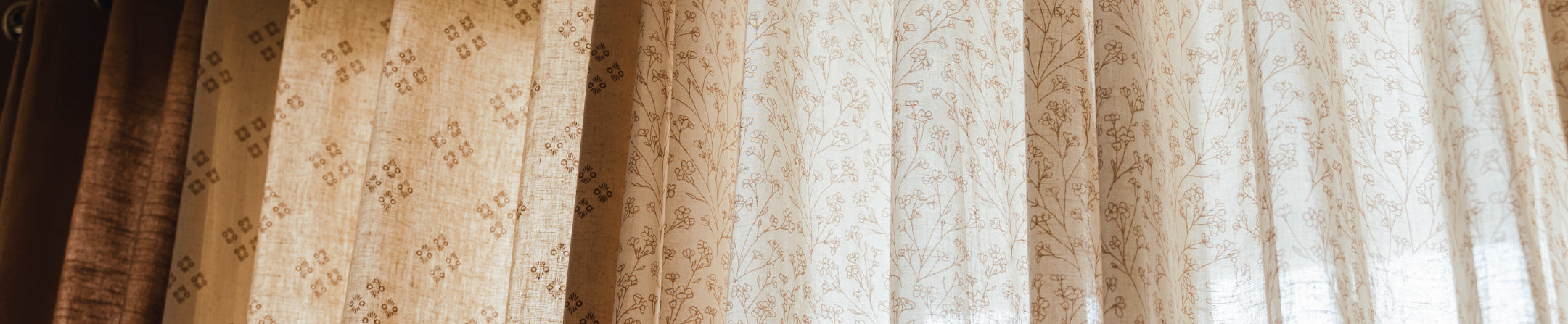
Natural fabrics also make a visible difference. Cotton, linen, and cotton-linen blends tend to give a living room a softer, more lived-in look, which is why The Yellow Dwelling focuses on natural fabric cushion covers across solids, prints, embroidery, and coordinated combos. And if you want help seeing how cushions, curtains, colours, and fabrics work together in your actual room, The Yellow Dwelling’s Expert Home Service can guide the styling process at home, making the choice feel more considered and less like guesswork.
Start With the Sofa, Not the Cushion Cover

The sofa should always guide your cushion cover choices.
Before picking colours or prints, look at the sofa’s colour, shape, size, and fabric. A large grey sofa, a compact beige loveseat, a patterned accent chair, and a deep green sectional will all need different cushion choices.
A plain sofa gives you more freedom. You can bring in florals, geometric prints, embroidery, tassels, or brighter accents without making the space look too busy. For example, a beige or cream sofa can carry mustard, sage, rust, blue, or floral prints quite easily.
A patterned sofa needs a quieter approach. If the sofa already has checks, texture, or a visible weave, solid cushion covers or simple embroidered styles usually work better. The aim is not to compete with the sofa but to make it feel complete.
A good first rule is this: read the room before you decorate the sofa. Look at the curtains, rug, wall colour, artwork, and side furniture. Cushion covers should feel connected to these elements, even if they are not an exact match.
Choose the Right Cushion Cover Size for the Seat

Size changes the entire feel of a sofa. Even the most beautiful cushion cover can look wrong if the proportion is off.
Larger square cushions feel fuller, softer, and more relaxed. Smaller cushions can work well on compact sofas or accent chairs, but too many small cushions on a large sofa may look scattered. Lumbar cushions are useful because they break the repetition of square shapes and add a more styled finish.
The Yellow Dwelling offers practical cushion cover sizes such as 16" x 16", 18" x 18", 20" x 20", 24" x 24", and 12" x 20" lumbar, with several products also available as customisable cushion covers.
For a simple 3-seater sofa, you could start with two larger cushions at the ends, two medium cushions in front, and one lumbar cushion in the centre. This gives the sofa shape without overcrowding it.
For a 2-seater, two 18" x 18" cushions and one lumbar cushion are often enough. For an accent chair, one statement cushion or one lumbar cushion usually works better than a pile of smaller pieces.
The idea is not to follow strict rules. It is to make sure the cushion size respects the seat size.
Pick a Colour Direction Before You Pick Individual Covers

Many living room styling mistakes happen because people buy cushion covers one by one without deciding the colour story first.
Start with one direction. This makes every choice easier.
A neutral and tonal palette works well if you want a calm living room. Think beige, ivory, cream, soft brown, muted grey, or warm white. This route is especially useful when the room already has wood, woven textures, or soft curtains.
A base colour plus one accent colour works well for most homes. For example, beige and mustard, grey and blue, cream and sage, or brown and rust. This gives you enough contrast without making the sofa look busy.
An earthy multicolour mix can also work beautifully when one tone repeats across the arrangement. For example, a mix of green, rust, beige, and brown will still feel connected if beige or brown appears in more than one cushion.
Let the room guide you. The rug, curtains, artwork, lampshade, or even a wooden centre table can help you choose the palette. Neutral cushion covers are usually the easiest to style, while a plain sofa can take brighter accents more comfortably. The Yellow Dwelling’s cushion range includes neutral covers, yellow and mustard tones, sage and beige combinations, and stronger colour-led pieces that can be used depending on how bold or soft you want the room to feel.
Decide Between Solids, Prints, and Embroidery

Once the colour direction is clear, decide how much detail the sofa needs.
Solid cushion covers create calm. They give the eye a place to rest and work especially well when the room already has prints through curtains, rugs, or artwork.
Printed cushion covers bring movement and character. Floral prints can soften a room, while geometric prints can make the sofa feel cleaner and more modern.
Embroidered cushion covers add detail and depth. They are useful when you want the sofa to feel styled, but not loud.
A well-balanced living room usually benefits from a mix. Repeating only solids may feel too flat. Repeating only busy prints may feel crowded. A better approach is to combine one detailed cushion with one quieter cushion.
The Yellow Dwelling’s cushion cover collection includes solids, floral prints, motifs, geometric prints, abstract designs, textured options, bohemian styles, and embroidered covers, making it easier to build this kind of balanced mix.
A simple tip: if one cushion has a busy print, let the next one be quieter.
How to Mix Patterns Without Making the Sofa Look Busy

Pattern mixing works best when you vary the scale.
Instead of choosing three equally busy prints, try one larger print, one smaller print, and one solid or textured cushion. This gives the arrangement rhythm. The sofa looks layered, but not chaotic.
For example, you could pair a floral cushion with a solid mustard or beige cushion. You could combine a geometric print with an embroidered cover. You could also use a coordinated combo set as the base and add one plain cushion to soften the final look.
The Yellow Dwelling’s cushion combo collections already show this approach through sets that combine different solids, prints, designs, and fabrics in one arrangement. Their combo cushion covers are described as sets where individual cushions include different solid colours, patterns, prints, designs, and fabrics to create a suitable combination.
The easiest way to keep mixed patterns connected is to repeat one colour. A floral cushion, geometric cushion, and solid cushion can sit together if all three share a hint of beige, green, blue, rust, or yellow.
Here are a few easy combinations:
Floral + solid: Good for a soft, warm, lived-in living room.
Geometric + embroidered: Good for a modern sofa that still needs texture.
Combo set + one plain cushion: Good when you want the styling to feel pulled together but still personal.
The goal is not to match everything. The goal is to make everything speak the same visual language.
Fabric Changes the Mood More Than People Realise
Fabric affects how a cushion looks, feels, and settles into the room.
Cotton feels breathable, familiar, and everyday-friendly. It works well in living rooms that are used daily because it does not feel too formal. Linen and linen blends bring a softer, slightly earthy finish. They are especially good for homes that lean toward natural textures, light curtains, wooden furniture, and relaxed styling.
The Yellow Dwelling’s product range has a strong focus on premium natural fabrics, including 100% cotton and cotton-linen blend options. Their customisable cushion cover collection, for instance, lists many 100% cotton products and some cotton-linen blend options.
Decorative details also matter. Tassels, fringes, embroidery, crochet, and textured finishes can change the tone of the sofa. A plain cotton cushion may feel calm and minimal. A tasseled floral cushion may feel warmer and more expressive. An embroidered piece may add a handcrafted feel without needing a loud colour.
This is where cushion covers become more than accessories. They help decide whether the living room feels crisp, relaxed, earthy, playful, or layered.
How Many Cushion Covers Do You Actually Need?
The right number depends on the sofa size and the mood you want.

A compact sofa may need only two or three well-chosen cushions. A larger 3-seater can handle four or five. A sectional may need more, but only if the colours and sizes are balanced. Accent chairs usually need just one cushion.
Start with fewer and build. This is better than overstuffing the sofa from the beginning.
For a neat look, use fewer cushions in stronger sizes. For a softer, more relaxed look, use a mix of larger squares, medium squares, and one lumbar cushion. If the sofa is used every day, leave enough actual seating space. A beautiful sofa should not require people to remove five cushions before sitting down.
A good arrangement should feel styled, but still usable.
Match the Cushion Covers to How the Room Is Actually Used
A formal living room and an everyday family room need different cushion choices.
If the sofa gets heavy daily use, easy-going cotton cushion covers usually make more sense. They feel natural, relaxed, and suitable for regular sitting, lounging, and guest use.
Decorative embroidered or tasseled styles can still work beautifully, but they may be better as accent pieces rather than every single cushion. For example, you could use two solid cotton cushions, one printed cushion, and one embroidered cushion. This keeps the sofa practical while still giving it personality.
Homes with children, pets, or frequent guests may benefit from a forgiving mix of solids and prints. Prints can hide small signs of everyday use better than very pale plain covers. Darker solids, earthy colours, and textured pieces can also make the sofa feel warm without looking too delicate.
Think about how the room is lived in. The best cushion covers are not only the ones that look good in a photo. They are the ones that still make sense on a normal day.
Cushion Combos Can Save Time, But They Still Need a Plan
Combo sets are helpful when you want a pulled-together look without styling everything from scratch.
They work especially well if the colours already suit your sofa, curtains, rug, or wall colour. A combo set can become the base of the arrangement. You can then add one extra solid, textured, or lumbar cushion to make it feel more personal.
The Yellow Dwelling offers combo cushion covers and coordinated pairs across different colours, prints, embroidered styles, and fabric combinations. Their cushion combo range includes examples such as floral-geometric pairs, solid embroidered pairs, printed pairs, and embroidered-print combinations.
The trick is to avoid choosing a combo only because it looks good on its own. Ask whether it belongs in your room. Does one colour connect with your curtains? Does the print work with your rug? Does the set suit the sofa size?
A combo can save time, but the room should still lead the decision.
Easy Cushion Cover Styling Ideas for Different Living Room Looks

For a calm neutral living room
Use solids, soft prints, beige, off-white, muted brown, soft grey, or warm earth tones. A neutral sofa can look richer with texture rather than strong colour. Try mixing one plain cushion, one minimal print, and one embroidered or fringed cushion.
For a colourful lived-in room
Choose one anchor colour and two supporting shades. For example, mustard can be the anchor, with beige and green as softer support. Or rust can lead, with brown and cream balancing the palette. This keeps colour from feeling random.
For a modern sofa
Use geometric prints, clean solids, and fewer frills. A modern sofa usually looks better when the cushion arrangement feels edited. Try two larger solid cushions with one geometric or embroidered piece for detail.
For a softer layered look
Use florals, embroidery, tassels, and tactile details. This works well in rooms with cotton curtains, linen textures, wood, plants, and warm lighting. The aim is to create a sofa that feels collected, not overly matched.
Common Mistakes People Make When Choosing Cushion Covers
Choosing everything in the same size
This can make the sofa look flat. Mix larger square cushions with medium sizes or add one lumbar cushion for shape.
Matching everything too exactly
A sofa does not need every cushion to be from the same colour family. It needs connection, not repetition. Repeat one colour, but vary print, scale, or texture.
Mixing too many unrelated colours
If every cushion introduces a new colour, the sofa can look restless. Choose one main palette before buying.
Ignoring the sofa fabric and room palette
A velvet sofa, cotton sofa, leatherette sofa, and textured woven sofa will all respond differently to cushion covers. Look at the sofa and room first.
Choosing only trendy prints without a neutral base
Trendy prints can look exciting at first, but they need solids or calmer designs around them. A neutral base gives the arrangement balance.
What Makes The Yellow Dwelling’s Cushion Covers Work So Well in Living Rooms?
The Yellow Dwelling’s cushion covers work well for living rooms because their range covers the main things people actually need while styling a sofa: natural fabrics, useful sizes, solids, prints, embroidery, and ready-made combinations.
Their cushion collections include a wide design range, from solid colours and floral prints to geometric designs, embroidered pieces, textured styles, and bohemian-inspired options. Their combo cushion covers also bring together different colours, prints, designs, and fabrics, which helps when someone wants a coordinated look without starting from zero.
The fabric direction is also a strong fit for Indian living rooms. Cotton, linen, and cotton-linen blends feel natural, breathable, and warm without making the sofa look too formal. The availability of customisable sizes, including 16" x 16", 18" x 18", 20" x 20", 24" x 24", and lumbar options, also makes it easier to style different sofa types with better proportion.
For a simple starting point, you could look at solid cotton cushion covers for grounding the palette, floral or geometric prints for movement, embroidered styles for detail, and combo packs when you want a quicker styling path.
Final Thought: Choose Cushion Covers Like You Are Building a Room, Not Filling a Sofa
Cushion covers may be small, but they can change how the whole living room feels. The process becomes easier when you move step by step: start with the sofa and room, choose the right size, decide the colour story, pick the fabric, and then build the print mix.
A few thoughtful cushion covers will usually do more for a living room than many random ones. Choose them like part of the room, not just as pieces to fill the sofa.