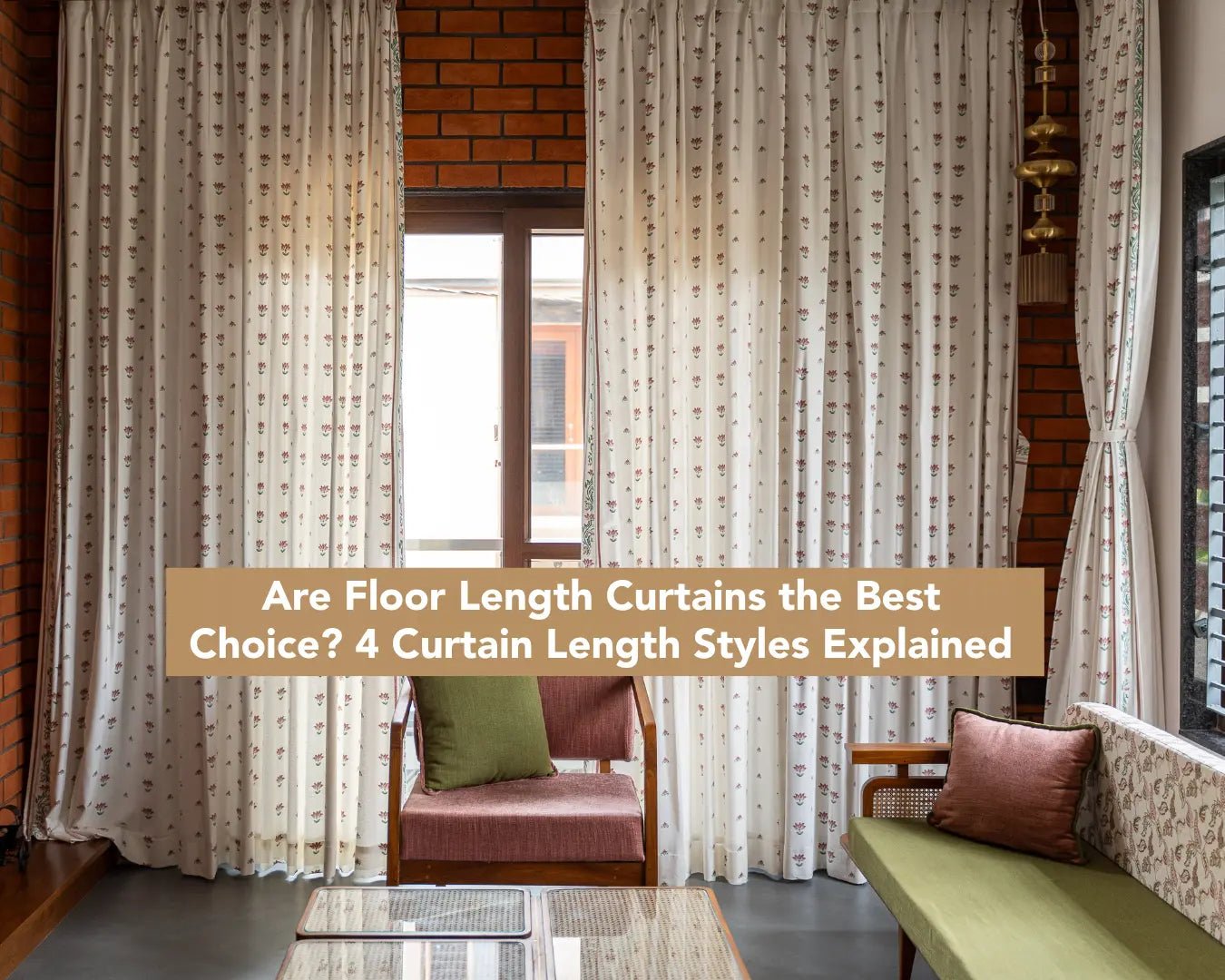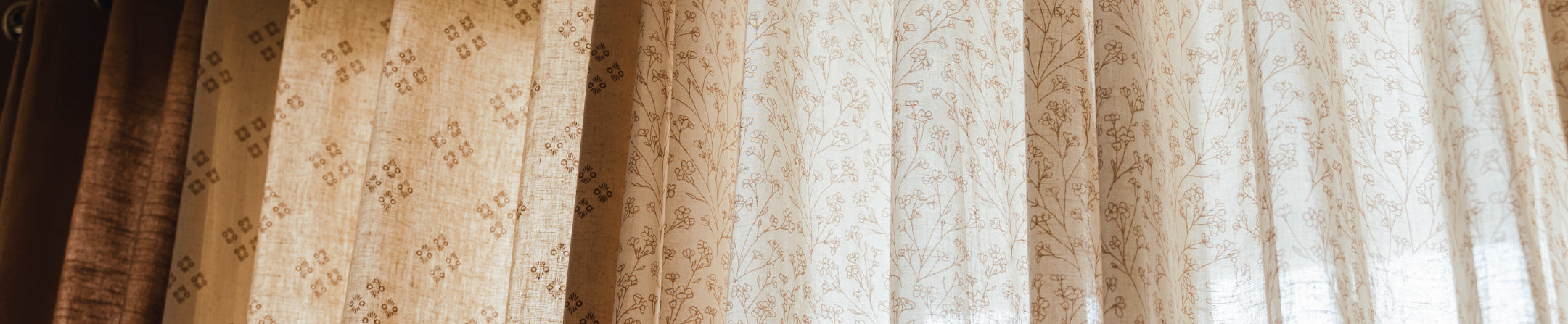

Warm neutral homes are having a quiet moment. Think cream walls, sand-toned sofas, oatmeal rugs, warm white corners, caramel wood, taupe cushions, and soft brown details. These colours feel calm, lived-in, and easy on the eyes. But a neutral home does not become warm just because everything is beige.
Without texture, undertone, and the right handling of daylight, a neutral room can start looking flat or washed out. This is where linen curtains become useful. Their visible weave, soft fall, and natural character add depth without bringing in loud colour or heavy ornamentation. The Yellow Dwelling’s Expert Home Service also helps homeowners see fabric swatches at home, measure correctly, and choose curtains or Roman blinds according to the actual room light and wall tone.
What Makes a Neutral Interior Feel Warm?

A warm neutral interior is not limited to beige. It is built around colours that carry yellow, red, brown, peach, or earthy undertones. Ivory often feels warmer than optic white. Oatmeal feels softer than cool grey. Sand feels more natural than stark beige. Mushroom and warm greige feel calmer than steel grey.
You may also see restrained accents such as terracotta, caramel, olive, rust, tan, muted mustard, or clay. These shades add depth while keeping the overall mood peaceful.
Warmth also comes from materials. Natural wood, cane, jute, woven textiles, ceramic pieces, cotton, and linen make pale colours feel more grounded. A modern apartment, a Scandinavian-inspired home, a relaxed bohemian space, or a contemporary Indian living room can all use warm neutrals differently. The common thread is balance: soft colour, natural texture, and enough contrast to stop the room from looking unfinished.
Why Linen Curtains Suit Warm Neutral Homes

Linen works beautifully in warm neutral rooms because it adds interest without shouting for attention. Its irregular woven texture breaks up large stretches of cream, beige, and warm white. Around windows and balcony doors, linen drapes soften hard architectural lines and make the space feel more relaxed.
Daylight also looks different through linen. Instead of entering the room sharply, it gets filtered through the fabric, giving warm walls, wooden furniture, and earthy décor a gentler appearance. This is especially helpful in Indian homes where sunlight can change strongly from morning to afternoon.
Linen also has a naturally easy fall. It keeps neutral interiors from feeling too formal or showroom-like. In homes that already use wood, cane, stone, jute, terracotta, cotton cushions, or handcrafted décor, linen drape curtains feel like part of the same design language.
The Yellow Dwelling’s premium natural-fabric curtains, including cotton and linen options, bring this softness into everyday homes while keeping the look understated. Before choosing a specific product, always check the exact fabric composition on the product page, as many designs use cotton-linen blends rather than pure linen.
Match the Curtain Undertone
-
For Warm White or Ivory Walls
If your walls are warm white, ivory, or cream, look for oatmeal, natural flax, biscuit, soft beige, or muted tan curtains. These shades keep the room gentle without creating a harsh contrast.
Avoid cool grey-white curtains in such rooms. They can make warm white walls look too yellow by comparison. A slightly earthy curtain tone usually works better than a very clean white.
-
For Beige, Sand, or Greige Walls
With beige, sand, or warm greige walls, do not try to find an exact match unless you can compare swatches in the room. An almost-match can look accidental.
Instead, choose curtains one or two tones lighter or darker than the wall. For example, sand walls can work with ivory linen curtains for a lighter look or warm taupe curtains for more depth. This tonal difference keeps the space calm but adds enough definition.
-
For Earthy Accent Walls
If your room has a clay, terracotta, muted olive, caramel, or warm brown accent wall, choose neutral curtains that pull from the lightest colour already present in the room. This could be the rug, sofa, flooring, cushion covers, or artwork.
Curtains that sit close to the wall colour create a seamless and quieter look. A slight tonal contrast gives the window more shape. Both can work; the right choice depends on how soft or structured you want the room to feel.
Use Linen Texture to Keep a Neutral Room from Looking Flat

There is a difference between colour layering and texture layering. Colour layering means using several shades within the same family, such as ivory, oatmeal, beige, and caramel. Texture layering means combining surfaces that catch light differently.
A warm neutral room may use linen curtains, cotton cushion covers, a woven rug, cane furniture, matte pottery, a wooden coffee table, a soft throw, and subtle embroidered details. The palette may still remain quiet, but the room will feel richer because each surface has a different finish.
This is where linen’s weave becomes a design detail on its own. You do not always need bold prints or strong colours. In a neutral home, the slub and texture of linen can give the room enough movement.
A simple rule helps: when most surfaces are smooth, choose more visibly textured curtains. When the room already has strong wood grains, patterned rugs, and decorative pieces, choose simpler linen drapes.
The Yellow Dwelling also offers coordinated natural-fabric cushion covers, throws, dining linen, and bedding. These pieces can help carry the same warm neutral palette across the home without making every item look identical.
Choose Linen Curtains According to the Room’s Natural Light

-
Bright South- or West-Facing Rooms
Rooms that receive strong afternoon light can make cream, beige, and pale curtains look faded. In such spaces, slightly deeper neutrals often work better. Look at wheat, biscuit, warm taupe, muted olive, earthy brown, or soft caramel tones.
If glare, heat, or harsh light is a concern, check whether the curtain comes with light reduction, room-darkening, or lining options. A deeper fabric or suitable lining can make the room more comfortable without disturbing the neutral theme.
-
Rooms with Soft or Limited Daylight
Some rooms do not receive much direct sunlight. For these, heavy or muddy neutrals can make the space feel smaller and duller. Warm white, ivory, natural flax, pale oatmeal, and light beige are safer choices.
The goal is to preserve brightness while still adding texture. Light linen or cotton-linen curtains can help soften the window without closing in the room visually.
-
Street-Facing Rooms
For street-facing rooms, privacy becomes as important as appearance. A light, airy linen curtain may diffuse daylight beautifully during the day, but it may not give enough privacy at night.
Before finalising, check the weave, lining, colour, and room use. A living room facing a quiet balcony may need only light filtering. A bedroom facing another building may need layered curtains or a more substantial fabric. The best choice is the one that supports both daylight and privacy.
Room-by-Room Linen Curtain Palettes

-
Living Room: Oatmeal, Sand, and Soft Brown
In the living room, curtains usually frame the largest window or balcony door. Oatmeal, sand, biscuit, flax, or soft brown linen curtains work well with warm wood, cane chairs, neutral sofas, and textured rugs.
For a little depth, bring in rust, olive, mustard, or terracotta through cushion covers, artwork, planters, or ceramics. The curtain should frame the view rather than dominate it. Floor-length linen drapes are especially useful here because they add softness and make the room feel more complete.
Product inspiration can come from textured cotton-linen curtains in beige, green, or warm earthy tones from The Yellow Dwelling’s curtain range. Designs such as Biscotti Beige or Bhumi-style textured curtains can work well in rooms that need a little pattern without losing the neutral mood.
-
Bedroom: Ivory, Mushroom, and Muted Taupe
Bedrooms need softness, privacy, and restful light. Ivory, mushroom, muted taupe, warm beige, and pale oatmeal are good choices for a calm bedroom palette.
If you like the airy look of linen, consider layering it with a more substantial room-darkening or blackout curtain where needed. Unlined linen alone should not be treated as a complete darkness solution. For better sleep, especially in city homes, the curtain’s lining and light-control level matter as much as its colour.
Keep the rest of the room simple: cotton bedding, a wooden side table, warm lamps, and a soft rug. The result feels restful without becoming bare.
-
Dining Room: Natural Flax with Earthy Accents
Dining rooms often benefit from slightly grounded neutrals. Natural flax, biscuit, oatmeal, or warm beige curtains pair well with wooden dining tables, table linen, ceramic serveware, brass details, and warm pendant lights.
This is also a good place to repeat the neutral story through dining linen. A table runner, napkins, or placemats in related tones can make the room look thought-through without becoming too matched.
If the dining room has plain walls and simple furniture, a subtle stripe or small print can add interest. If the table, lighting, or wall art is already detailed, plain textured linen curtains are usually enough.
-
Balcony or French Doors: Full-Length Linen Drapes
Balcony doors and French windows need curtains that move easily and stack well. Long, flowing linen drapes soften the transition between the indoor room and outdoor light.
For these areas, width and length are important. The curtain should have enough fabric to form graceful folds when closed. It should also clear the door movement comfortably. If the curtains are too narrow, they look stretched. If they are too short, the whole window treatment can feel unfinished.
Warm beige, flax, oatmeal, and taupe tones work well because they do not compete with the outdoor view.
-
Compact Rooms: Tonal Linen Curtains
In compact rooms, too much contrast can break the wall into smaller visual blocks. Curtains that sit close to the wall colour often work better. For example, ivory walls with pale oatmeal curtains or beige walls with soft flax curtains can make the room feel more continuous.
This does not mean everything must match exactly. The difference can come through texture rather than colour. A woven linen surface against a smooth painted wall gives enough depth while keeping the room open.
Plain, Striped, or Printed Linen: What Works Best?

The best curtain design depends on how much visual detail already exists in the room.
-
Plain linen curtains work well when the room has patterned rugs, statement art, carved wood, or multiple accent colours. They calm the space and let the materials speak.
-
Subtle stripes add height and movement without disturbing the neutral palette. They are useful in living rooms, dining rooms, or bedrooms where the walls and furniture are simple.
-
Small botanical or geometric prints are suitable when the room needs a little personality. They work best when the main furniture pieces are plain and the colours stay soft.
-
Embroidered details can become a refined focal point in an otherwise minimal room. Large, high-contrast prints should be used more carefully because they can overpower the warm neutral effect.
The Yellow Dwelling’s curtain collections include minimal, floral, neutral, geometric, ethnic, sheer, cotton, and linen styles. This gives homeowners more room to create warmth through restrained prints, embroidery, texture, and natural colours instead of relying only on plain beige curtains.
Get the Length and Fullness Right for a Soft, Premium Fall
Even the most beautiful fabric can look ordinary if the curtain is too short or too narrow. For warm neutral homes, proportion matters because the palette is understated. Small mistakes become more visible.
Where the architecture allows it, hang curtains higher than the window frame. This draws the eye upward and makes the room feel taller. Extend the rod or track beyond the window so the fabric can stack away from the glass when open.
For a clean, premium look, let the curtains just touch or lightly skim the floor. Visibly short curtains should be avoided unless the window location requires them.
Fullness also matters. Curtains need enough fabric to create soft folds when closed. For very broad windows or balcony doors, the panel width should be calculated according to the chosen heading style, not just the glass width.
Since heading styles and fabric behaviour can change the final look, it is better to follow the brand’s measurement guidance or use The Yellow Dwelling’s Expert Home Service for more complex windows.
Choose a Curtain Heading That Matches the Mood

The curtain heading affects how the fabric falls, so it should match the room’s mood.
-
Wave or ripple-style folds feel clean and contemporary. They suit modern neutral homes, large windows, and rooms where the curtain should look soft but structured.
-
Pinch pleats feel more tailored. They work well in elegant bedrooms, formal living rooms, and spaces where you want the curtains to look refined.
-
Relaxed gathers can suit softer, casual rooms, depending on the fabric and construction available. Loops or eyelets should be chosen only when they match both the product option and the overall look of the room.
Evenly falling folds are especially useful for plain or tonal linen curtains. They give the fabric enough structure to stay visually interesting without adding extra pattern.
Layer Linen Curtains Without Making the Window Look Heavy

-
Sheer Curtain + Room-Darkening Curtain
This combination works well for living rooms and bedrooms that need soft daylight during the day and better privacy in the evening. A sheer or light-filtering layer keeps the room bright, while the heavier layer supports privacy and light control.
-
Linen Curtain + Roman Blind
For compact windows, study corners, windows above furniture, or spaces where floor-length curtains are not practical, Roman blinds can be a better choice. A linen or cotton-linen curtain can still be used on larger windows in the same room, while Roman blinds handle smaller openings neatly.
The Yellow Dwelling offers Roman blinds, so this combination stays aligned with the brand’s window treatment range.
-
Tonal Curtain Layers
Instead of using strong colour contrast, choose related shades. Ivory with oatmeal, flax with warm taupe, or beige with biscuit can create depth without making the window look busy.
How to Buy Linen Curtains Online Without Guessing
Buying linen curtains online can be convenient, but neutral colours are tricky on screens. Beige, ivory, cream, flax, and oatmeal can all look different depending on the device, lighting, and photography.
When buying linen curtains online, compare function and construction as carefully as colour and pattern. Check:
-
Exact fabric composition
-
Product close-ups showing weave and texture
-
Whether the curtain is sheer, light-filtering, light reduction, room darkening, or blackout
-
Lining information
-
Panel width
-
Whether the price is for one panel, a pair, or a set
-
Available lengths
-
Heading or hanging style
-
Wash and care instructions
-
Colour appearance in daylight and artificial light
-
Customisation options
-
Return or replacement terms
If you are choosing curtains for large doors, layered treatments, or multiple rooms, professional guidance can reduce guesswork. The Yellow Dwelling’s Expert Home Service brings fabric selection and measurement support into your actual home, where the colours and light can be assessed properly.
Let the Window Shape Decide Between Curtains and Roman Blinds

-
Linen drapes are beautiful, but they are not automatically the best choice for every window. The window shape and room use should guide the decision.
-
Full-length curtains work well for balcony doors, French windows, broad glazing, and spaces where softness is desired. They bring movement, height, and a finished look.
-
Roman blinds are better for compact windows, windows above furniture, study corners, dining nooks, or areas where floor-length panels may interfere with daily use. A lightweight neutral Roman blind can add texture without taking over the room.
-
In open-plan spaces, you do not need identical treatments everywhere. You can use full-length curtains for the main balcony door and Roman blinds for smaller windows, as long as the fabrics, undertones, or colours feel related. The goal is visual continuity, not forced matching.
Common Mistakes That Make Neutral Linen Curtains Look Dull
Warm neutral styling looks simple, but it needs careful choices. These are common mistakes to avoid:
-
Choosing a cool grey-beige curtain for a yellow or peach-toned room
-
Matching every neutral element exactly
-
Ignoring texture and depending only on colour
-
Choosing curtains that are too short or narrow
-
Selecting an unlined fabric without checking privacy needs
-
Using stark white hardware in an earthy room
-
Filling the room with beige and adding no darker anchor
-
Buying from online images without checking weave, composition, and dimensions
Make the Final Choice at Home with Expert Guidance

Curtain colour can change from room to room. Wall undertones, flooring, window direction, furniture finish, and daylight all affect how a fabric appears. Measurements can also become more complex for wide balcony doors, corner windows, high ceilings, layered curtains, or a curtain-and-Roman-blind combination.
Homeowners can book The Yellow Dwelling’s Expert Home Service for ₹449 for support with measurement, fabric selection, curtain styling, and choosing the right window treatment for the room.
This service is especially useful when you are working with warm neutral interiors because small undertone differences matter. Seeing fabric swatches against your own walls, flooring, and furniture can make the final choice far more confident.
Book an Expert Home Visit for ₹449 to explore natural-fabric curtains and Roman blinds in the context of your own home.
A Warmer Home Begins at the Window
Warm neutral interiors work best when colour, texture, daylight, and proportion come together. It is not about using more beige. It is about choosing the right undertones, adding natural texture, controlling light, and letting each room feel calm without becoming plain.
Linen curtains can bring softness and depth while staying timeless and easy to coordinate. With premium natural-fabric curtains, cotton and linen options, eco-conscious material choices, Roman blinds, custom styling support, and Expert Home Service at ₹449, The Yellow Dwelling helps homeowners create neutral rooms that feel warm, thoughtful, and truly lived in.