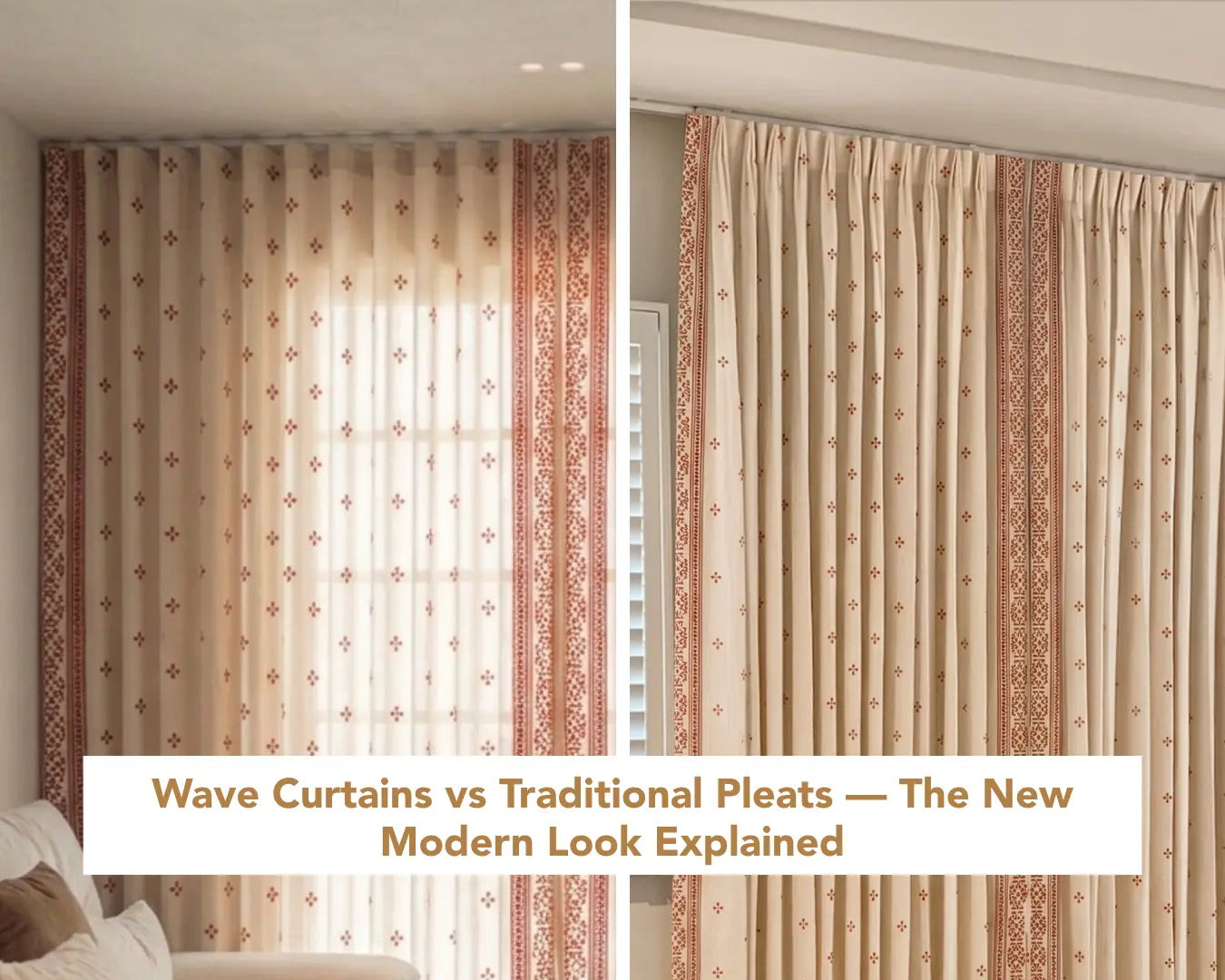

Some rooms need sunlight. They just do not need harsh sunlight.
That is where light filtering curtains make everyday living feel easier. They let natural light enter the room, but soften it before it spreads across your space. So instead of sharp glare on the television, hot patches near the sofa, or windows that feel too exposed, you get a calmer glow that still keeps the room bright.
For Indian homes, this balance matters. Our living rooms, bedrooms, dining corners, and balconies often receive strong daylight for long hours. Heavy curtains can make the space feel closed during the day, while very thin sheers may not offer enough privacy. Light filtering curtains sit comfortably in the middle.
At The Yellow Dwelling, this idea is brought to life through premium natural fabric curtains made from cotton and linen. These fabrics add softness, texture, and a more lived-in warmth to a home. And if choosing the right fabric, fall, length, or lining feels confusing, The Yellow Dwelling’s Expert Home Service is available for a nominal fee of ₹449, where the team helps with measurements, fabric selection, curtain style, Roman blind options, and light-control choices.
What Are Light Filtering Curtains?

Light filtering curtains are curtains made with fabrics that allow daylight to pass through while diffusing it. In simple terms, they do not block the sun completely. Instead, they soften the light so the room feels brighter, calmer, and more comfortable.
They are not the same as very fine sheer curtains that can look almost transparent. They are also not the same as blackout curtains that are designed to darken a room. Light filtering curtains create a softer daytime glow and offer a practical level of privacy, depending on the fabric, weave, colour, thickness, and lining.
Think of them as curtains that make sunlight behave better. The room still feels open and fresh, but the light is less harsh.
This makes them especially useful for spaces where you want natural brightness without feeling like the window is left bare. Living rooms, dining areas, bedrooms, study corners, and balcony-facing windows can all benefit from this type of curtain.

Light filtering curtains work through the fabric itself. The way the yarn is woven, the thickness of the material, the colour of the curtain, and the choice of lining all affect how much light enters the room and how soft that light feels.
A more open weave allows more light to pass through. A slightly denser weave filters the light more gently and gives better privacy. Fine sheers may let in the maximum amount of daylight, but cotton and linen curtains with a medium weave can give a more balanced result.
Fabric thickness also plays a big role. A thin cotton curtain will feel lighter and brighter. A thicker cotton-linen blend will soften more sunlight and create a warmer look. This is useful if the window receives strong afternoon sun or faces another building.
Colour changes the effect too. White, ivory, beige, and other soft neutrals make a room feel airy and bright. Deeper shades, earthy tones, and printed fabrics reduce brightness a little more and add visual depth. If you want a calm living room, a light neutral curtain can work beautifully. If you want a bedroom to feel cosier, a warmer or slightly deeper tone may be a better choice.
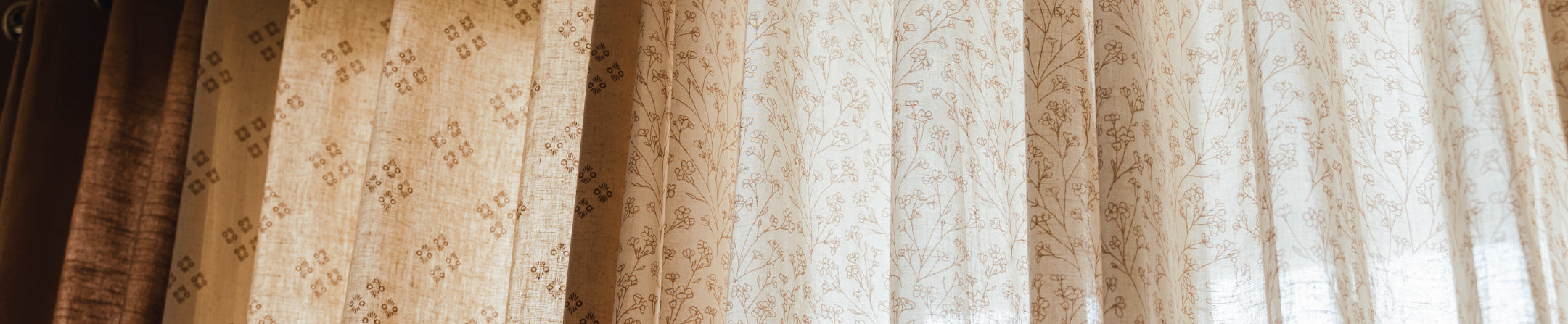
Texture is another reason natural fabrics work so well. Linen slubs, cotton textures, and hand-drawn-style prints scatter light in a softer way than flat synthetic fabrics. Instead of letting sunlight enter as a flat beam, they turn sharp sunlight into a soft wash of light.
Lining can also be added when the room needs more privacy or stronger light control. A lining does not have to make the curtain fully blackout. It can simply reduce brightness, improve the fall of the curtain, and make the window feel more finished.
Light Filtering Curtains vs Sheer Curtains: Are They the Same?

Sheer curtains and light filtering curtains are related, but they are not always the same.
Sheer curtains are usually more transparent. They are often used to create an airy, decorative layer near the window. They work well when the main goal is maximum daylight and a light, breezy look.
Light filtering curtains can include sheers, but the category is broader. Cotton curtains, linen curtains, and cotton-linen blends with slightly denser weaves can also filter light. These fabrics offer a better balance between daylight, glare control, and daytime privacy.
So, while sheer light filtering curtains can be a lovely choice for airy spaces, they may not always be enough for bedrooms, street-facing windows, or rooms that need more privacy.
|
Feature |
Sheer Curtains |
Light Filtering Curtains |
|
Light |
Maximum daylight |
Soft, diffused daylight |
|
Privacy |
Low to moderate |
Moderate |
|
Best for |
Layering, airy spaces |
Living rooms, bedrooms, dining areas |
|
Fabric feel |
Very light |
Light to medium |
If you want the room to feel open and decorative, sheers may be enough. If you want a little more softness, coverage, and comfort, light filtering curtains in cotton or linen are often the better choice.
Light Filtering vs Room Darkening vs Blackout Curtains

Many people get confused between light filtering, room darkening, and blackout curtains. The difference comes down to how much light each one controls.
Light filtering curtains keep the room bright while reducing glare. They are best when you want daylight, softness, and moderate privacy.
Room darkening curtains reduce more light than light filtering curtains. They are useful for bedrooms, sunny windows, and rooms that feel too bright during the day. They do not always block every bit of light, but they make the room noticeably dimmer.
Blackout curtains are designed to block most or almost all light, depending on the fabric, lining, stitching, and installation. They are usually chosen for sleep-focused bedrooms, nurseries, media rooms, or homes where outside lights disturb rest at night.
The Yellow Dwelling offers different light-control possibilities through fabric and lining choices. The right option depends on the room. A living room may only need light filtering curtains. A bedroom may need room darkening lining. A nursery or media room may need a stronger blackout-style solution, depending on the product and finish selected.
Why Cotton and Linen Make the Best Light Filtering Curtains

The best light filtering curtains do not just control sunlight. They also change how a room feels.
This is where cotton and linen stand apart. Natural fabrics bring texture, softness, and warmth that many synthetic curtains lack. They do not look flat or overly shiny. They sit naturally in the room and make the window feel like part of the decor, not just something that needs to be covered.
Cotton has a clean, familiar softness. It works well for printed curtains, everyday homes, kids’ rooms, and relaxed living spaces. Linen has a more textured, organic feel. It looks beautiful in neutral homes, earthy interiors, and rooms where you want a calm, understated finish.
Cotton-linen blends offer a lovely middle ground. They bring the softness of cotton and the relaxed texture of linen together, which makes them a good choice for light filtering curtains.
These fabrics are also suited to Indian homes because they feel breathable and easy to live with. They soften strong daylight without making the room feel heavy. When cared for properly, they age well and continue to bring character to the space.
The Yellow Dwelling focuses on premium natural fabric curtains made from cotton and linen, with eco-friendly material choices and prints that feel warm, soft, and home-friendly. For people who want a conscious home decor choice, natural fabrics make the curtain feel more personal and thoughtful.
Where Should You Use Light Filtering Curtains at Home?
Light filtering curtains work in many parts of the home, but each room needs a slightly different approach.

1. Living Room
The living room is one of the best places for light filtering curtains. Most families want this space to feel bright during the day, but not exposed. If your living room has a balcony door, large window, or street-facing opening, these curtains can soften sunlight while adding privacy.
For a calm look, choose ivory, beige, off-white, or soft grey cotton-linen curtains. For a warmer look, printed cotton curtains can add personality without making the room feel too busy.
2. Bedroom
Light filtering curtains can work well in bedrooms if you do not need complete darkness. They are good for people who enjoy waking up to soft daylight instead of a dark room.
That said, bedrooms need more privacy, especially at night. If your bedroom window faces another building or a busy street, consider a denser fabric, lining, or layering. You can use light filtering curtains as the softer outer layer and add a stronger lining if sleep darkness matters.
3. Dining Area
Dining spaces benefit from natural light. A room that feels too dark during the day can look flat, while direct sunlight can feel uncomfortable during meals. Light filtering curtains help create a softer mood without closing the space.
Printed cotton curtains work especially well here because they can add warmth and character without overwhelming the room.
4. Study or Work Corner
A study corner needs light, but glare can become a problem. If sunlight hits your laptop screen or desk directly, light filtering curtains can help reduce the harshness without making the room dull.
A cotton or linen curtain in a light neutral shade works well for work areas. It keeps the room fresh, but makes the light easier on the eyes.
5. Kids’ Room
For kids’ rooms, breathable natural fabrics are a thoughtful choice. Cotton curtains can make the space feel soft and cheerful, especially with gentle prints.
For daytime play, light filtering curtains work beautifully. For nap time, you may need an added room-darkening lining or a layered setup. This way, the room can stay bright when needed and become calmer when the child needs rest.
How to Choose the Best Light Filtering Curtains for Your Home
Choosing the best light filtering curtains is not about picking the thinnest fabric. It is about matching the curtain to the room’s light, privacy, and style needs.
Start with the fabric. Cotton, linen, and cotton-linen blends are excellent choices if you want a natural look. Cotton feels soft and versatile. Linen feels textured and relaxed. A blend gives you the best of both.
Next, think about colour. If the room is small or does not receive much natural light, choose white, ivory, beige, or soft pastels. These shades keep the room bright. If the window receives strong sunlight, slightly deeper tones or printed fabrics can soften the brightness better.
The direction of the window also matters. East-facing windows get morning sun. West-facing windows often receive stronger afternoon light. South or southwest-facing windows may need more thoughtful fabric and lining choices, especially in Indian homes where heat and glare can be intense.
Then decide if you need lining. A lining can improve privacy, reduce brightness, and help the curtain fall better. It is especially useful for bedrooms, tall windows, and street-facing rooms.
Measurements are just as important as fabric. Curtains need enough width to create fullness. If the fabric is too flat, it may not filter light as softly. Length also affects the final look. Floor-length curtains usually make the window look taller and the room feel more polished.
Finally, match the print with your existing decor. If your sofa, rug, or bedding already has a lot of pattern, choose a simpler curtain. If the room feels plain, printed cotton or linen curtains can bring warmth and personality.
Do Light Filtering Curtains Give Privacy at Night?

This is an important question, and the honest answer is: light filtering curtains give better privacy during the day than at night.
During the day, outdoor light is usually brighter than indoor light. This makes it harder for people outside to see clearly into the room. So, light filtering curtains can offer a comfortable level of daytime privacy.
At night, the situation changes. When the lights are on inside and it is dark outside, visibility from outside can increase. The thinner the curtain, the more likely shadows, movement, or outlines may be visible.
For bedrooms, bathrooms, or street-facing windows, it is better to choose a denser fabric, add lining, or layer your window treatment. You can still keep the soft look of light filtering curtains, but with better privacy built in.
This is also where custom guidance helps. A fabric that works perfectly for a balcony-facing living room may not be right for a bedroom window facing the next building.
Styling Ideas for Light Filtering Curtains

Light filtering curtains are practical, but they can also change the style of a room beautifully.
-
White or ivory cotton curtains are perfect for a calm, airy room. They make the space feel fresh and open, especially when paired with wooden furniture, cane accents, or neutral walls.
-
Linen-textured curtains work well if you like a relaxed, organic look. They add depth without shouting for attention. They are a good fit for earthy homes, minimal interiors, and spaces with natural materials.
-
Printed cotton curtains bring warmth and personality. Florals, leafy prints, stripes, and soft geometric patterns can make a simple room feel more complete. For a bedroom, choose gentler prints. For a living room or dining area, you can go a little bolder.
-
Floor-length curtains are another easy styling trick. They make windows look taller and help the fabric fall more gracefully. Even a simple cotton curtain feels more finished when the length is right.
You can also pair curtains with Roman blinds for layered light control. This works well when you want softness from the curtains and a cleaner, tailored layer closer to the window. For example, a Roman blind can sit neatly inside or above the window, while curtains frame the sides for a fuller look.
Can Roman Blinds Also Be Light Filtering?

Yes, Roman blinds can also be light filtering, depending on the fabric and lining.
Roman blinds are made with fabric that folds neatly when raised and sits flat when lowered. This gives the window a cleaner, more tailored look than flowing curtains. They work especially well for compact windows, study corners, kitchens, dining spaces, and modern apartments where floor-length curtains may not be practical.
The Yellow Dwelling offers Roman blinds in premium cotton and cotton-linen fabrics. Depending on the fabric and lining selected, they can be used for soft light filtering, room darkening, or stronger privacy needs.
For example, a printed cotton Roman blind can add charm to a study corner or breakfast nook. A cotton-linen Roman blind can give a bedroom or living room a calmer, more structured finish. Styles such as floral, textured, plain, and ethnic-inspired Roman blinds can also help the window feel connected to the rest of the decor.
Roman blinds are particularly useful when you want the beauty of fabric without the volume of curtains. They keep the window neat, but still bring softness, colour, and texture into the room.
Why Custom Measurement Matters for Light Filtering Curtains

Light filtering curtains may seem simple, but measurement can change everything.
If the curtain is too narrow, it may not have enough fullness. That can make the fabric look flat and reduce the soft filtering effect. If the curtain is too short, the room can feel unfinished. If the track curtains or curtain rod is not placed correctly, side gaps may allow sharp light to enter from the edges.
The fall of the fabric also matters. Cotton, linen, and cotton-linen blends all behave slightly differently. Some fabrics fall softly. Some hold their shape better. Some need lining to look fuller. Choosing the right finish depends on the room, window size, and style you want.
Window direction is another factor. A bright west-facing window may need a denser fabric or lining. A smaller window in a shaded room may only need a lighter cotton curtain. A bedroom may need more privacy than a dining area. A balcony door may need a curtain that moves easily and hangs well.
The Yellow Dwelling offers an Expert Home Visit for a nominal fee of ₹449, where the team can help with measurements, fabric selection, curtain style, Roman blind options, and light-control choices. This is useful if you are unsure whether your room needs light filtering curtains, room darkening lining, or a layered solution.
It also helps avoid common mistakes, such as ordering too little width, choosing the wrong length, or selecting a fabric that looks good online but does not suit the actual light in your room.
Final Takeaway: Are Light Filtering Curtains Right for You?
Light filtering curtains are a good choice if you want your home to feel bright, soft, and private without making it dark during the day.
They are right for you if you want natural daylight without harsh glare. They work well if you prefer a softer, warmer room over a closed, heavy look. They are also useful if you want moderate daytime privacy, especially in living rooms, dining areas, balcony windows, and relaxed bedrooms.
For homes that value natural materials, cotton and linen make the choice even better. They bring texture, breathability, and a premium feel that suits Indian interiors beautifully. They also work across many decor styles, from neutral and minimal to printed, warm, and expressive.
The key is to choose the right fabric, colour, lining, and measurement for your room. The best curtain is not always the darkest or the lightest. It is the one that works with your window, your sunlight, and the way you use the space.
Explore The Yellow Dwelling’s premium natural fabric curtains or book an Expert Home Visit for ₹449 to choose the right fabric, fall, and finish for your home.