
Layered curtains work best when each layer has a clear purpose. In most homes, the sheer curtain sits closest to the window or door, while the blackout or room-darkening curtain sits on the outer layer, facing the room. This gives you soft daylight during the day and stronger privacy or darkness when needed.
That is why sheer and blackout curtains make such a practical pair. You do not have to choose between an airy room and a private one. You can let filtered sunlight in during the morning, reduce glare in the afternoon, and close the heavier layer at night.
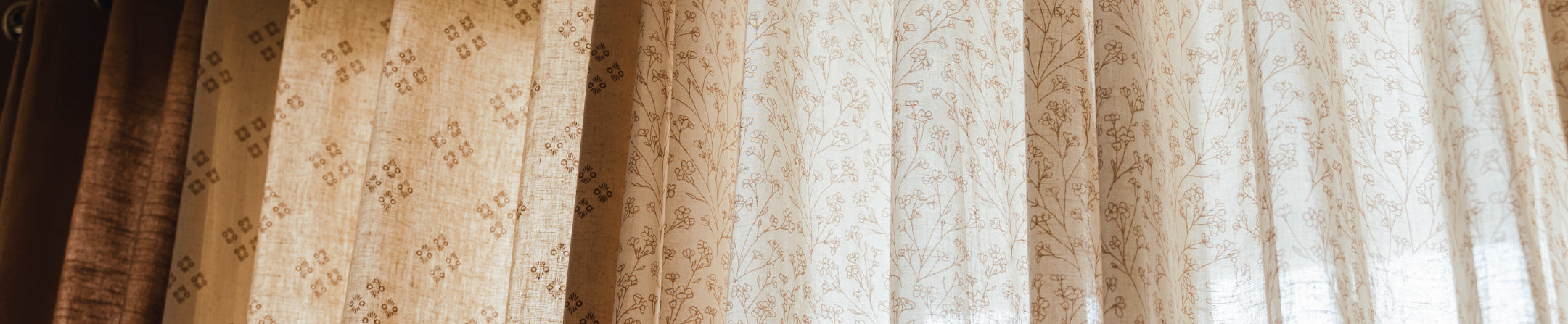
For homes that prefer breathable, softer interiors, premium natural fabric curtains made from cotton and linen can make layered windows feel warm, calm, and less synthetic. At The Yellow Dwelling, layering is not just about styling. With cotton and linen curtains, light-filtering sheers, room-darkening options, blackout curtains, made-to-order sizing, and Book Expert Home Service at ₹449, you can create curtains that suit your room, window size, and daily routine.
How Should You Layer Sheer Curtains with Drapes?
For most windows and doors, place the sheer curtain closest to the glass and the blackout or room-darkening drape on the outer side, facing the room. During the day, keep the sheer closed and the heavier curtain open to soften sunlight without making the space feel dark. In the evening, close the outer drape for stronger privacy and light control. Use blackout lining in bedrooms or media rooms where darkness matters; for living and dining rooms, room-darkening curtains are often sufficient.
Layered Curtains at a Glance
- Daytime: Keep the sheer closed and the outer curtain open for filtered natural light.
- Strong afternoon glare: Partly close the room-darkening or blackout layer.
- Night-time: Close the outer layer because sheers alone do not provide dependable privacy after dark.
- Bedrooms and media rooms: Choose curtains with blackout lining for stronger light reduction.
- Living and dining rooms: Choose room-darkening curtains when you want privacy without making the room feel too heavy.
What Does Curtain Layering Mean?

Curtain layering means using two curtain layers on the same window or door to balance daylight, privacy, and comfort.
-
A typical layered curtain setup includes:
-
A sheer curtain to softly filter daylight while keeping the room bright.
-
A blackout or room-darkening curtain for stronger privacy, glare reduction, and better light control.
Layered curtains work especially well in rooms where light and privacy needs change through the day.
In bedrooms, sheers allow soft morning light, while blackout curtains help reduce outside light for better sleep and privacy at night.
In home theatres or TV rooms, blackout curtains help reduce glare and create a darker viewing environment. Sheers can still soften daylight when complete darkness is not needed.
In living rooms, layering keeps the room airy during the day without fully exposing the space to neighbours or street-facing views.
For balcony doors and large openings, sheers maintain openness and daylight, while blackout curtains provide evening privacy and better coverage.
In kids’ rooms or nurseries, layered curtains help manage nap times, early morning sunlight, and daytime brightness more flexibly.
Why Sheer + Blackout Curtains Are a Practical Pair

Sheer and blackout curtains work well together because they solve different problems.
Sheers soften harsh sunlight. They reduce the sharpness of direct light and make the room feel gentler during the day. Blackout curtains, on the other hand, offer stronger privacy and darkness when needed.
Together, they give better control across different times of day. You can keep only the sheer layer closed during the day, draw the blackout curtain during rest hours, or close both at night for a more private, finished feel.
This pairing also makes the room look more complete. A single curtain can sometimes feel flat, especially across large windows or balcony doors. Layering adds softness, depth, and visual balance.
The Yellow Dwelling’s curtain range includes light-filtering sheers, blackout curtains, and room-darkening options. For instance, cotton sheers can be paired with room-darkening or blackout curtains to create a setup that feels soft during the day and more restful at night.
Blackout vs Room-Darkening Drapes: Which One Should You Pair with Sheers?
Blackout vs Room-Darkening Drapes: Which One Should You Pair with Sheers?
Choose Room-Darkening Curtains When
- The room needs reduced glare but should still feel softly lit.
- You are styling a living room, dining room, guest room or home office.
- You want evening privacy without using an overly heavy-looking curtain.
- The window receives moderate rather than intense direct sunlight.
Choose Curtains with Blackout Lining When
- Early morning light interrupts sleep.
- The bedroom faces streetlights or a brightly lit neighbouring building.
- The room is used for naps, television viewing or home theatre.
- The window receives strong afternoon sunlight and requires greater light control.
Which Curtain Goes First: Sheer or Blackout?
For most homes, the best setup is simple.
The sheer curtain goes closest to the glass. The blackout curtain goes in front, facing the room.
This arrangement works well because the sheer layer filters daylight before it enters the room. During the day, you can keep the blackout curtains open and let the sheers soften the light. The room stays bright, but it does not feel fully exposed.
When you need stronger privacy or darkness, you simply draw the blackout curtain across the front. This gives better day-to-night control.
There is another small benefit. Since the sheer sits closer to the window, it takes more of the direct sunlight, while the heavier curtain layer stays slightly protected.
Some styling approaches place sheers in front for a decorative look. That can work in certain rooms. But for most Indian homes, the inner-sheer and outer-blackout arrangement is easier to use every day.
The Right Hardware: Double Rods, Tracks, and Placement

Layered curtains need the right hardware. If both layers are forced onto one rod, the curtains may not move smoothly and the fabric can look cramped.
You will usually need one of these:
-
A double curtain rod.
-
Two parallel rods.
-
A double curtain track system.
Each curtain layer should have its own path. The sheer layer should move freely, and the blackout curtain should open and close without rubbing against it.
Keep the rods or tracks a few inches apart so both layers fall properly. Also, extend rods beyond the window frame where possible. This improves coverage and allows the curtains to stack neatly when open.
For a taller look, choose full-height curtains. For wide balcony doors or large openings, tracks may feel smoother than rods because they allow easier movement across a larger span.
Layering Curtains for Windows vs Doors

Windows and doors do not need exactly the same curtain treatment. The fabric combination may be similar, but the size, movement, and coverage needs are different.
For Windows

Windows need proportion, softness, and controlled light. Sheers are useful for daytime privacy, especially in bedrooms, living rooms, study corners, and street-facing spaces.
Blackout or room-darkening curtains are useful for bedrooms, nurseries, media rooms, and windows that receive harsh afternoon sunlight.
For smaller windows, avoid making the setup too heavy. A soft cotton sheer with a medium-weight outer curtain often works better than two dense layers.
For Doors
Doors need better coverage because they are taller, wider, and used more often. Balcony doors, French doors, and large living room openings also bring in more visibility from outside.
Use fuller panels and longer drops for doors. Door curtains should not look skimpy, especially in living rooms or balcony-facing areas. Full-length sheers can keep the space open during the day, while heavier outer curtains provide evening privacy and light control.
The Yellow Dwelling’s made-to-order curtain options are useful here because balcony doors and large openings do not always follow standard sizes.
Room-Wise Sheer + Blackout Curtain Combinations

Living Room
For living rooms, use light cotton sheers with textured, patterned, or gently printed blackout or room-darkening curtains. This keeps the room airy during the day and polished in the evening.
If the room already has printed rugs or cushions, choose a calmer outer curtain. If the room is mostly neutral, a printed curtain can add warmth and character.
Dining Room
Dining rooms benefit from curtains that soften daylight without making the space feel closed. Pair a light ivory, cream or subtly textured sheer with a room-darkening outer curtain in beige, olive, rust, indigo or another colour already used in the dining chairs, table linen or artwork.
If the room is compact, keep the outer curtain relatively calm and allow the sheer to provide softness. For dining rooms connected to a balcony, use full-length panels that can move easily without blocking the doorway.
Bedroom
Bedrooms need softness, privacy, and better light control. Pair soft sheers with blackout or room-darkening curtains for a more restful setting.
This combination is useful if your bedroom receives early morning sunlight or faces outdoor lights at night. The Yellow Dwelling’s natural fabric curtains can be paired with blackout or room-darkening lining for better sleep-focused light control.
Kids’ Room
For kids’ rooms, choose breathable natural fabrics, gentle prints, and blackout lining. Sheers keep the room bright during playtime, while the blackout layer helps during naps, early mornings, or quiet time.
Avoid very heavy-looking combinations. Soft colours, small motifs, and playful prints work well when balanced with a calm sheer.
Balcony Doors
For balcony doors, use full-length sheers closest to the glass and heavier outer curtains for evening privacy, glare control, and heat management.
This lets you enjoy daylight and the balcony view during the day without keeping the space fully exposed. For wide doors, choose fuller panels so the curtains do not look stretched when closed.
Study or Work Corner
A study or work corner needs controlled light. Sheers help bring in daylight without harsh screen glare. Blackout or room-darkening curtains can be used when you need more focus, privacy, or reduced brightness during calls and work hours.
Keep the look simple here. Plain sheers with a solid or lightly textured outer curtain usually work best.
Choosing the Right Fabric for Layered Curtains
Fabric decides how layered curtains feel in daily life. The right fabric can make the room feel soft, breathable, and naturally finished.
-
Cotton curtains are a practical choice for everyday homes. They feel soft, familiar, and easy to style across bedrooms, living rooms, kids’ rooms, and balconies.
-
Linen curtains and linen blends bring texture and relaxed elegance. They suit homes that prefer a calm, lived-in look rather than a glossy or overly formal finish.
-
Natural fabrics are especially helpful in layered curtains because they add warmth and depth without making the room feel heavy. Cotton and linen curtains also feel more breathable and eco-conscious compared to synthetic-heavy options.
-
Synthetic-looking curtains can sometimes feel flat or harsh in premium rooms. They may block light, but they do not always bring the same softness, texture, or natural charm.
The Yellow Dwelling’s preference for cotton, linen, and natural fibres makes it easier to create layered curtains that feel premium, comfortable, and suited to Indian homes.
Colour and Pattern Rules That Actually Work
Layered curtains look best when the two fabrics relate to each other.
Pair plain sheers with patterned blackout curtains for a balanced look. If the sheer has a print, keep the blackout curtain solid.
Use tonal colours for a calm room. For example, ivory sheers with beige outer curtains, cream sheers with taupe curtains, or pale grey sheers with deeper blue-grey curtains can feel soft and composed.
Use contrast when you want the curtains to stand out. A white sheer with a deep green, rust, indigo, or charcoal outer curtain can make the window a stronger design feature.
Avoid two loud prints together. If one layer has a strong pattern, let the other layer stay quiet.
Also, connect curtain colours with something already in the room, such as cushions, rugs, bedding, wall colour, or artwork. Even a small colour link can make the room feel planned.
Why Measurement Matters More With Layered Curtains

Measurement matters more with layered curtains because you are planning two fabrics, two movements, and often two rods or tracks.
The width has to allow proper fullness. The height has to suit the window or door. The rods or tracks need enough spacing. The outer curtain should close properly, and the sheer should fall neatly without getting trapped behind the heavier layer.
This becomes even more important in Indian homes, where window sizes, balcony doors, ceiling heights, grills, pelmets, and wall clearances can vary from room to room.
For homes where sizes differ across rooms, The Yellow Dwelling’s Expert Home Service can help with measurement, fabric selection, curtain length, and layering decisions. The service is available at a nominal fee of ₹449.
Common Curtain-Layering Mistakes to Avoid
Depending on Sheers for Night-Time Privacy
Sheers can create useful daytime screening, but visibility changes after sunset when the room is brighter than the outside. Use an opaque outer curtain wherever dependable privacy is required.
Buying Too Little Curtain Width
Panels that only just cover the window will look stretched when closed. Both layers need enough fullness to form natural folds and cover the complete opening.
Pairing Two Competing Prints
Let one layer lead visually. A printed outer curtain usually looks best with a plain or subtly textured sheer, while a decorative sheer is easier to style with a solid outer drape.
Using Hardware That Is Too Narrow
When the rod ends at the window frame, the curtain stack can block daylight and leave side gaps when closed. Extend the rod or track beyond the frame wherever wall space allows.
Ignoring Daily Movement
Check whether the window opens inward, the balcony door is frequently used, furniture blocks the curtain stack or the fabric will touch a damp balcony floor. A beautiful combination must also work comfortably every day.
A Simple Buying Checklist for Sheer Curtains with Drapes
Before placing your order, confirm the following:
- The room’s daytime light, night-time privacy and glare-control requirements.
- Whether the outer layer should be light-filtering, room-darkening or fitted with blackout lining.
- The complete rod or track width—not only the glass width.
- The required panel fullness for both the sheer and the outer curtain.
- A finished length that suits the window, door and daily movement around it.
- A double rod or double track that allows both layers to move independently.
- One dominant print or colour story rather than two competing patterns.
- Fabric-care instructions that suit your household, especially for children’s rooms and frequently used balcony doors.
Final Takeaway: Layer for Light, Privacy, and a Softer Home
Layered curtains give your home more control without making it feel closed off. Sheers bring in soft daylight. Blackout or room-darkening curtains provide privacy, darkness, and better comfort when stronger coverage is needed.
For most homes, the simplest setup works best: sheer curtains closest to the window or door, and blackout curtains on the outer layer facing the room. Add the right hardware, enough fullness, and accurate measurements, and the final result feels both practical and polished.
Fabric makes the biggest difference. Cotton and linen curtains bring a softer, more natural, and premium look than synthetic-heavy options. They add warmth, texture, and comfort to everyday spaces.
Explore The Yellow Dwelling’s natural fabric curtains in cotton and linen, including sheers, room-darkening curtains, blackout curtains, and curtain combinations. For a more guided experience, you can also book The Yellow Dwelling’s Expert Home Service at ₹449 for measurement and styling support.