
Most well-styled sofas are not built on perfect matching. They come together because the cushion covers feel balanced. A mix of colour, size, and texture does more for a sofa than repeating the same design again and again.
If you’re trying to figure out cushion cover combinations for sofas, the process becomes easier when you think in layers. Start with what your sofa already offers, then build around it. The goal is not to decorate every inch. It is to make the seating area feel complete and comfortable.
What Makes a Cushion Combination Work on a Sofa?

A good cushion arrangement feels intentional without looking forced. There is enough contrast to catch your eye, but also enough connection so nothing feels out of place.
Three things usually hold it together. Colour, proportion, and texture.
If all cushions match exactly, the sofa tends to look flat. When there is a slight variation, the space feels more relaxed and lived-in. Even a simple mix of one solid, one print, and one textured cover can change the entire look.
Start With the Sofa, Not the Cushion Covers
Before picking cushion covers, look at the sofa.
A plain sofa gives you room to experiment. You can add prints, embroidery, or layered colours without overwhelming the space. A patterned or textured sofa works differently. It usually needs quieter cushion covers to keep things balanced.
Even the size matters. A deep three-seater can carry more cushions than a compact loveseat. Once you read the sofa properly, the rest of the choices become easier.

The 5 Cushion Cover Combinations for Sofas That Always Work
One solid, one print, one texture
This is the easiest combination to get right. A solid cushion anchors the arrangement. A printed cushion brings movement. A textured or embroidered piece adds depth.
For example, you could pair a plain cotton cover with a floral design and then add a slightly raised or embroidered cushion from The Yellow Dwelling’s range. The mix feels complete without looking overdone.

Tonal neutrals with a single accent colour
Start with soft neutrals like beige, cream, grey, or off-white. Then introduce one stronger colour such as mustard, rust, or indigo.
This works well in modern homes where you want the sofa to stay calm but not dull. The neutral base keeps things grounded. The accent colour adds just enough interest.

Two prints, one shared colour story
Mixing prints works when there is one common thread. It could be a shared colour or tone.
A floral cushion and a geometric print can sit together comfortably if they both carry similar shades. Add one solid cover pulled from those colours, and the combination starts to feel connected.

Monochrome layers that still feel rich
Working within one colour family does not mean everything has to look the same.
Grey cushions, for instance, can include a mix of smooth cotton, textured weaves, and subtle patterns. The variation comes from fabric and detail, not colour.
This kind of arrangement feels calm, especially in homes that prefer a softer visual palette.

Symmetrical pairs with one centre piece
This arrangement suits sofas that need a cleaner, more structured look.
Place similar cushions on both ends, then introduce a different cushion in the centre. The middle piece can carry a print or texture that breaks the symmetry slightly.
It looks neat, but not rigid.

How Many Cushion Covers Should You Use on a Sofa?
There isn’t a fixed number.
Most standard sofas work well with three to five cushions. Larger sofas can handle more, but only if there is still space to sit comfortably. Accent chairs usually need just one cushion or a lumbar piece.
If you are unsure, start with fewer. You can always add one more layer later.

Mix Sizes and Shapes, Not Just Prints
When all cushions are the same size, the sofa can feel repetitive.
A better approach is to combine shapes. Larger square cushions at the corners give structure. Smaller squares or a rectangular lumbar cushion in front soften the arrangement.
The Yellow Dwelling offers practical size options like 16" x 16", 18" x 18", 20" x 20", 24" x 24", and 12" x 20". Mixing two or three of these sizes makes the sofa look more layered without extra effort.

The Best Cushion Cover Combinations by Sofa Colour
For beige or cream sofas
You can bring in colour easily here. Rust, olive, indigo, and soft florals all work well because the base stays neutral.

For grey sofas
Grey works with both warm and cool shades. Mustard, blush, ivory, and blue tones create a balanced mix.

For brown sofas
Lighter cushions help break the heaviness. Think cream, muted gold, or textured neutrals.

For blue or green sofas
Keep the palette controlled. Soft neutrals or tonal variations within the same colour family work best.

Matching Cushion Covers With Curtains Without Overdoing It
Cushions and curtains do not need to match exactly.
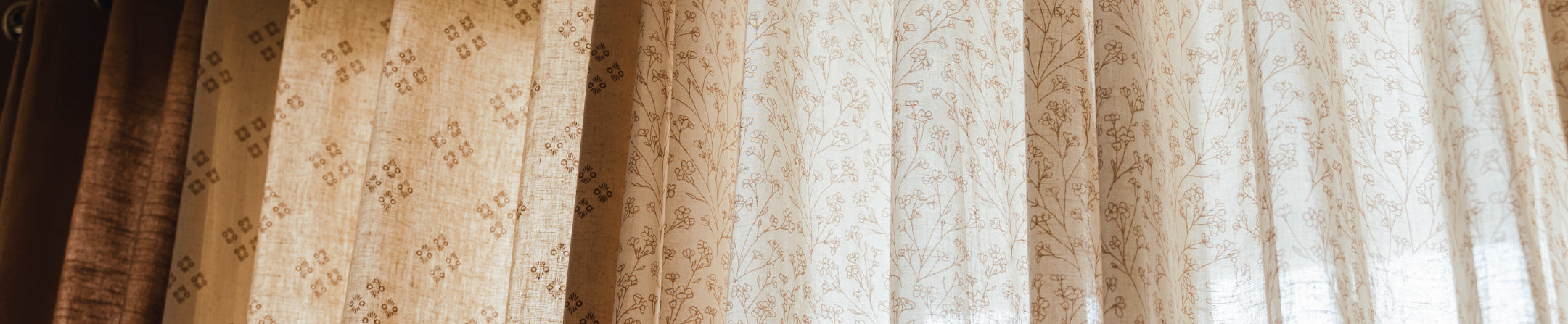
Instead, look for small connections. A shared colour, a similar pattern style, or even a matching fabric tone is enough. For example, if your curtains carry a floral design, one cushion can pick up that pattern while the rest stay simpler.
This keeps the room cohesive without making it look staged.

Cotton and Linen Cushion Covers Make Mixing Easier
Fabric plays a bigger role than most people expect.
Cotton cushion covers feel easy to use every day. They are breathable and sit well in most living rooms. Cotton-linen blends bring a slightly softer, more relaxed finish.
The Yellow Dwelling focuses on premium natural fabrics, especially cotton and cotton-linen blends. That makes mixing and matching easier because the materials already feel consistent, even when the designs vary.

Cushion Cover Combinations for Different Sofa Styles
A modern sofa usually works best with clean solids and geometric prints. The look stays sharp without too much layering.
A classic sofa can handle florals and embroidery more easily. It feels warmer and slightly more detailed.
Wooden or cane sofas often need smaller groupings and earthy shades to keep the look grounded.
A family sofa benefits from practical cotton covers in a balanced mix of solids and prints. Easy to maintain. Easy to live with.

Common Cushion Styling Mistakes That Make a Sofa Look Off
Using the same size everywhere often makes the arrangement look flat. Mix sizes instead.
Matching everything too closely removes contrast. Let at least one element stand out.
Too many colours can make the sofa feel cluttered. Stick to a clear palette.
Ignoring texture is another common miss. Even within the same colour, texture adds interest.
Small changes fix most of these issues.
How to Build a Cushion Combination From One Cover You Already Love
Start with one cushion you really like. That becomes your base.
Pick one colour from it and use that for a solid cushion. Then add a quieter piece, either textured or lightly patterned.
Once the colours feel connected, adjust the sizes and placement. The arrangement builds naturally from there.
What Makes The Yellow Dwelling’s Cushion Covers Easy to Mix and Match?
The range itself makes styling easier.
There is a strong focus on 100% cotton and cotton-linen blends, which keeps the overall look consistent. The collection includes solids, florals, geometric prints, embroidery, and textured finishes, along with ready combinations.
Sizes and formats are practical, so you can mix square and rectangular cushions without searching too much.
When the base collection is cohesive, mixing becomes less complicated.
Final Thought: Build the Sofa, Don’t Fill It
Cushion styling becomes simple when you follow a sequence.
Start with the sofa. Then choose the size. Decide on a colour direction. Pick the fabric. Finally, mix prints and textures.
You don’t need many cushions. Just the right ones.